
Disclaimer: Our site may earn a small commission on products purchased through our links. Your price remains unchanged—this guarantees our honest recommendations.
4.7 ⭐⭐⭐⭐⭐ 4.7 out of 5 stars (24,084)
👉 Join the Movement: See Why 24,084+ Readers Are Raving—Buy Now!
The “The Mountain Is You” 10 Key Lessons, Summary, Main Idea, and Story, About the Author: Brianna Wiest, Key Takeaways, Video, Pros and Cons, and FAQs
Introduction:
Your Biggest Obstacle Might Be in the Mirror
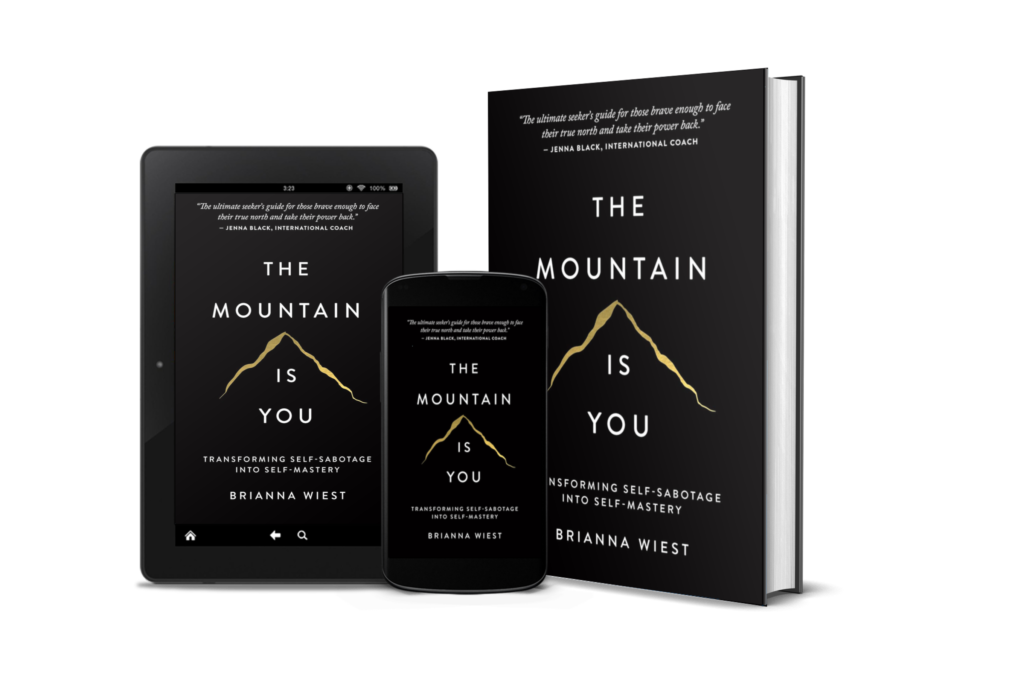
Friend, if you’ve ever felt like you’re your own worst enemy—if you’ve confidently set a goal only to find a mysterious, powerful force within you quietly working against it—then Brianna Wiest’s The Mountain Is You isn’t just a book you read; it’s a conversation you’ve been waiting to have. With over 24,000 readers resonating at a 4.7-star rating, this work has become a beacon for those tired of their own internal civil war, guiding them to transform lifelong self-sabotage into genuine self-mastery.
We spend so much energy trying to conquer the world outside—scaling career ladders, building relationships, chasing external validation. Yet, the most daunting and consequential summit we will ever face is the one constructed within: a mountain built from our past wounds, our deepest fears, our limiting beliefs, and the protective—but now limiting—coping mechanisms we formed long ago. This internal terrain isn’t your foe; it’s a part of you that learned to survive. Climbing it with compassion, not conquest, is the real journey to freedom.
So, let’s lace up our boots and understand this landscape. This isn’t about a quick fix or fighting yourself. It’s about the most important exploration you’ll ever undertake: turning inward to finally build a foundation solid enough to support the life you truly desire.
Here’s your detailed map for the ascent:
The Main Idea: We’ll delve into the book’s transformative core premise: Self-sabotage is not a moral failing or a lack of discipline. It is a sophisticated, if misguided, protection mechanism run by your subconscious. That part of you isn’t trying to ruin your life; it’s desperately trying to protect a younger, more vulnerable version of you from perceived threats like failure, judgment, abandonment, or the overwhelming nature of change. Mastery begins not with battle, but with translation—learning the language of your own protective psyche.
A Detailed Summary: We’ll journey through Wiest’s framework chapter by chapter. You’ll learn about “secondary gain”—the hidden, often unconscious benefits you receive from staying stuck (like safety, familiarity, or avoiding responsibility). We’ll explore how past emotional trauma and beliefs don’t just live in your mind, but are stored in your body, shaping your behaviors and reactions. Finally, we’ll chart the path to “internal alignment,” the state where your conscious ambitions and your subconscious protections are no longer at war, but integrated, allowing you to move forward with wholeness.
The Real Story: This book fundamentally shifts the paradigm from “fixing what’s broken” to “understanding what’s protecting you.” It’s an archaeological dig into the self. (Once you’ve done this crucial inner excavation and understand why you act, the practical “how-to” of building new, positive routines is essential. For that, our review of Atomic Habits provides the perfect, tactical structural companion.
Lessons for Today – Practical Self-Work:
Theory meets the mirror each morning here. We’ll distill actionable practices, including:
- Trigger Identification: How to spot the specific situations, emotions, or thoughts that activate your self-sabotage patterns.
- Dialoguing with Your Subconscious: Using journaling not just for logging, but for compassionate conversation with the protective parts of yourself to understand their concerns.
- Building Emotional Capacity: Developing the skill to sit with uncomfortable feelings like anxiety, fear, or shame without immediately reacting or numbing out—the key to dissolving their power.
Key Takeaways for Personal Growth:
The golden, immediately applicable insights include:
- Reframing anxiety as a map—it literally highlights what you care about and where you’re being called to grow.
- Understanding why forgiveness (of self and others) is a neurological necessity for releasing the past and changing your brain’s pathways.
- Seeing how your internal barriers, once understood and dismantled, provide the unique raw materials and foundational strength for your growth.
The Good & The Bad – Real Talk:
An unvarnished appraisal:
- The Good: This book offers rare, profound, and transformative insights into psychology, self-compassion, and the architecture of the human experience. It provides a deeply validating framework that helps you stop blaming yourself.
- The Bad: Its poetic and philosophical style can feel abstract and non-linear for readers who prefer direct, step-by-step action plans. The “what to do” can feel elusive. (For readers who finish this book thinking, “This makes sense, but what do I actually do on Monday morning?” our analysis of Wisdom Takes Work: Learn. Apply. Repeat. offers that crucial, implementation-focused complement.
5 Patterns of Self-Sabotage to Recognize:
We will name, dissect, and understand the common architectures of the inner mountain:
- Procrastination: Not laziness, but a fear of the outcome (success, failure, or the change it brings).
- People-Pleasing: A bid for safety and belonging that erodes your own needs and boundaries.
- Perfectionism: A shield against judgment, criticism, and the vulnerability of being seen as flawed.
- Self-Criticism: A misguided motivator and a pre-emptive strike, beating yourself up before the world can.
- Avoidance & Numbing: A form of emotional regulation through distraction (endless scrolling, overworking, substance use) to escape painful feelings.
Straight Answers About Inner Work:
Your pressing questions, addressed directly:
Related: Things I Can’t Say Out Loud Summary: 10 Key Lessons & Guide
Main Idea and Summary
The Main Idea
The central, revolutionary idea is that self-sabotage is not you failing yourself; it’s a part of you trying to protect you based on old, outdated blueprints. Your subconscious mind uses procrastination, fear, addiction, and toxic relationships as misguided strategies to keep you safe from perceived threats (like failure, judgment, or change). The “mountain” is this embedded system of self-protection. Mastery comes from understanding its origins, compassionately dismantling it, and rebuilding from a place of conscious choice.
Summary
“The Mountain Is You” is a profound, yet accessible, psychological guide. Brianna Wiest masterfully dissects the complex roots of self-sabotaging behavior—from childhood conditioning and trauma responses to societal programming and fear of the unknown. The book provides a clear framework for identifying your unique patterns, understanding their protective intent, and then systematically “repairing the self” through emotional intelligence, boundary-setting, and aligned action. It’s a manual for turning inward to build the unshakable foundation your external success requires.
About the Author: Brianna Wiest
Brianna Wiest is a globally recognized author, speaker, and thought leader in the realm of personal development and modern spirituality. Known for her deeply introspective and poetic writing style, she has a unique talent for articulating complex emotional and psychological truths with stunning clarity. Her work, including international bestsellers like “101 Essays That Will Change The Way You Think,” focuses on empowering individuals to heal their inner worlds. Wiest’s approach is characterized by intellectual depth, compassion, and a rejection of quick-fix solutions in favor of meaningful, lasting self-work.
🔑 The 10 Key Lessons from “The Mountain Is You”
| # | Key Lesson | The Core Insight & Application |
|---|---|---|
| 1 | Self-Sabotage is a Wise Protector | Stop fighting your bad habits as enemies. See them as overzealous bodyguards from your past. Thank them for their service, then update their instructions. |
| 2 | Your Comfort Zone is a Trauma Response | What feels “safe” is often just familiar pain. True safety is the ability to handle discomfort, not avoid it. Growth happens just outside the familiar. |
| 3 | Healing is Integration, Not Erasure | You cannot delete painful parts of your past. Mastery comes from integrating those experiences into your story with understanding, not letting them run the show. |
| 4 | Your Body Holds the Truth Your Mind Denies | Anxiety, tension, and illness are often signals of inner conflict. Learn to listen to your body’s wisdom—it knows when you’re living out of alignment. |
| 5 | Boundaries are an Act of Self-Love | Saying “no” to others is how you say “yes” to yourself. Clear boundaries are the bedrock of self-respect and prevent resentment-driven sabotage. |
| 6 | You Attract What You Believe You Deserve | Your relationships and circumstances are mirrors of your subconscious self-worth. Change the internal narrative, and the external world will follow. |
| 7 | Emotional Mastery is Non-Judgmental Awareness | Feelings are data, not directives. The goal isn’t to be happy all the time, but to feel your feelings fully without letting them hijack your behavior. |
| 8 | Procrastination is an Emotion Regulation Problem | You delay tasks that trigger difficult emotions (fear of failure, overwhelm, boredom). Address the emotion first, and action becomes easier. |
| 9 | Your Future Self is Your Most Important Ally | Make decisions from the perspective of who you want to become. Every small choice is a vote for the person you are building. |
| 10 | The Mountain is Built One Choice at a Time | Transformation is not a single event. It’s the cumulative effect of daily, conscious micro-choices that slowly rewire your brain and life. |
💡 The 5 Pillars of Transforming Self-Sabotage (Wiest’s Framework)
| Pillar | What It Is | Practical Application |
|---|---|---|
| P1: Awareness & Identification | Shining a light on your unique self-sabotage patterns without judgment. | Journaling Prompt: “What do I consistently do that undermines my own goals? What feeling or fear immediately precedes this behavior?” |
| P2: Compassionate Inquiry | Asking “why” with curiosity, not criticism. Understanding the original protective purpose of the behavior. | Practice: When you catch yourself sabotaging, ask: “What is this part of me trying to protect me from? What old wound is it responding to?” |
| P3: Nervous System Regulation | Learning to calm your body’s fight-flight-freeze response, which triggers reactive sabotage. | Toolkit: Deep breathing, grounding techniques, vagus nerve exercises, and creating true emotional safety. |
| P4: Conscious Reprogramming | Deliberately installing new beliefs, thoughts, and habits that serve your present self, not your past. | Action: Create affirmations based on new truths. Use “I am” statements that reflect the person you are choosing to become. |
| P5: Aligned Action & Integration | Taking small, consistent steps that are in harmony with your true self, building a new evidence-based identity. | Method: Don’t aim for giant leaps. Choose one tiny action daily that proves “I am someone who respects myself and follows through.” |
📌 Key Takeaways from the Book
- You Are Not Broken: Your sabotaging behaviors were once solutions. This reframe removes shame and opens the door to change.
- The Work is Internal: Lasting external change is impossible without first addressing the internal landscape. The mountain is within.
- Healing is Non-Linear: It’s a spiral, not a line. You will revisit lessons at deeper levels. This is progress, not failure.
- Self-Mastery is Emotional Literacy: The ability to identify, feel, and process your emotions is the single most important skill for a successful life.
- Your Life is Your Responsibility: While your past may explain you, it does not have to define you. The power to choose differently in this moment is always available.
✅ Pros and ❌ Cons
| Aspect | ✅ Pros (Advantages) | ❌ Cons (Considerations) |
|---|---|---|
| Depth & Insight | Profoundly Transformative Psychology. Goes far beyond surface-level tips to address the root causes of behavior. | Can Feel Intense. The deep introspection required may be challenging or triggering for some without prior self-work. |
| Writing & Approach | Compassionate, Literary, and Wise. Wiest’s writing is both intellectual and deeply empathetic, making complex ideas accessible. | Abstract at Times. Some concepts are philosophical and may require re-reading or reflection to fully grasp and apply. |
| Practicality | Provides a Clear Framework (The 5 Pillars). Offers a structured path forward, not just diagnosis. | Less “Step-by-Step.” It’s a guiding philosophy more than a workbook. The reader must generate their own specific action plans. |
| Target Audience | Ideal for Deep Thinkers & “Chronic” Self-Saboteurs. Perfect for those who have tried quick fixes and are ready for root-cause work. | Not a Quick Fix. This is a long-term, introspective journey. Those seeking fast, tactical life-hacks may be disappointed. |
| Overall Impact | Life-Changing for the Ready Reader. Has the potential to catalyze profound personal revolution and lasting inner peace. | Requires Commitment. The book demands honest self-confrontation and consistent practice. It is work. |
❓ Frequently Asked Questions (FAQs)
1. Is this book based on scientific psychology?
Yes, but accessibly so. Wiest integrates concepts from neuroscience (neuroplasticity), trauma psychology (the nervous system), and cognitive behavioral therapy, presenting them through a literary and philosophical lens rather than a clinical one.
2. How is this different from other self-help books?
Most self-help books focus on what to do. “The Mountain Is You” focuses on why you don’t do it. It addresses the hidden, subconscious resistance that makes other advice fail to stick, making it a powerful complement to more tactical guides.
3. I struggle with anxiety/depression. Is this book a substitute for therapy?
No. This book is not a substitute for professional mental healthcare. It is an excellent tool for self-reflection and growth that can work in tandem with therapy. If you are dealing with clinical anxiety, depression, or trauma, please seek support from a licensed therapist.
4. Is the audiobook version well-narrated?
Yes, the Audible version, narrated by Stacey Glemboski, is highly praised. Her calm, clear, and empathetic delivery matches the book’s tone perfectly and enhances the reflective experience.
5. What’s the first step after reading this book?
The book itself guides you. Typically, it starts with Pillar 1: Awareness. Begin a daily journaling practice focused solely on observing your thoughts, emotions, and sabotage patterns without trying to change them. Just notice.
6. Who would NOT benefit from this book?
Someone in active crisis who needs immediate, practical stabilization, or a reader who is deeply resistant to introspection and prefers purely external, action-driven advice.
👉 Loved This Insight? Unlock the Complete Transformation: Buy the Book Today.
Final Verdict
“The Mountain Is You” is a 4.7-star masterpiece of modern personal development. It is a rare book that offers not just strategies, but a fundamental shift in how you understand yourself. Brianna Wiest provides the map and the compassionate guide for the most important journey you’ll ever take: the one inward.
Buy it if: You are ready to move beyond surface-level habits and understand the why behind your patterns. You’re prepared for deep, sometimes challenging, self-reflection to achieve lasting change.
Skip it if: You are looking for a simple, 30-day action plan with checklists, or are not currently in a mental space to confront deeper emotional wounds.
Rating: 4.7/5 Stars — An essential, transformative read for anyone serious about mastering their inner world to build an authentic and successful outer life. The mountain is waiting.
TheMountainIsYou #BriannaWiest #SelfMastery #OvercomingSelfSabotage #PersonalGrowth #MindsetShift